1 Nov 2026
Mapping Dynamic Incentives Between Reel Sequences and Sports Markets in Tiered Gaming Platforms
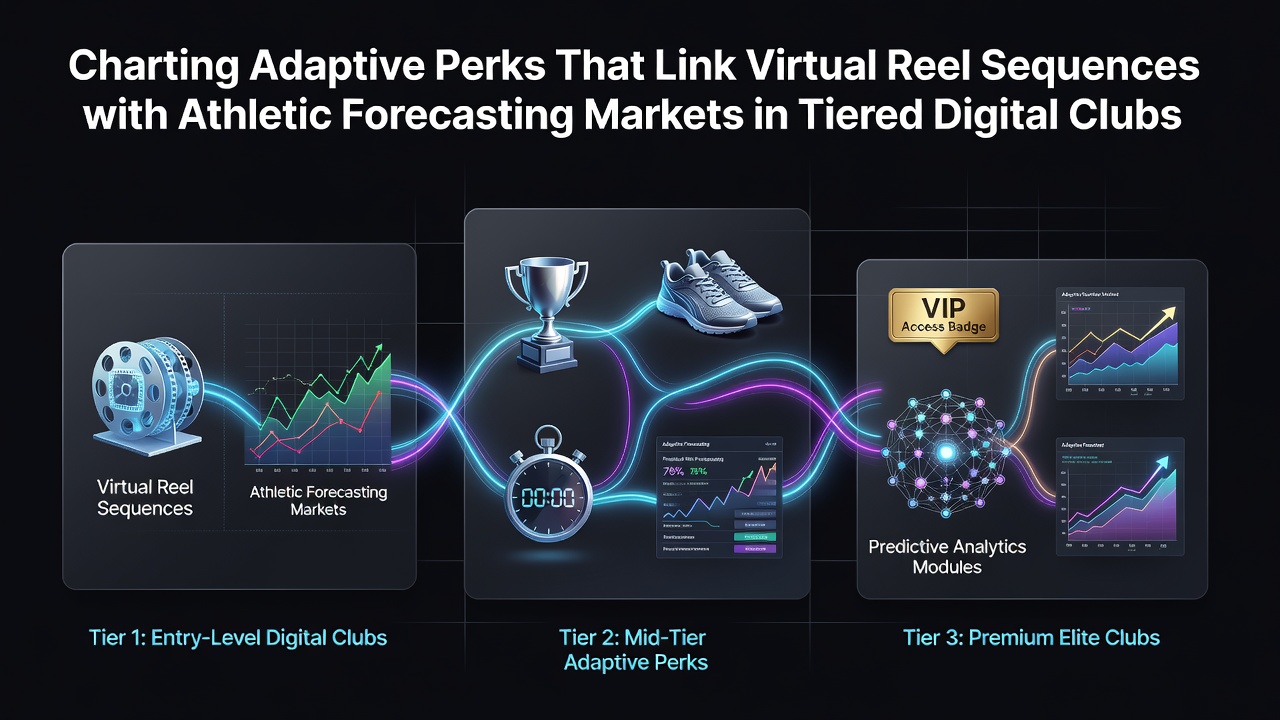
Platform operators have developed systems that connect virtual reel outcomes in slot games directly to athletic forecasting markets through adaptive perk structures within tiered loyalty programs, and these integrations appear in multiple jurisdictions by late 2026. Data from industry reports show that participants in higher loyalty tiers receive bonus multipliers or enhanced odds when reel sequences align with predefined sports event thresholds, creating measurable shifts in engagement metrics across mobile and desktop environments.
Mechanics of Linked Reel and Forecast Systems
Developers implement algorithms that track specific reel patterns, such as consecutive symbol matches or bonus trigger frequencies, and route those data points into sports betting interfaces where users can apply the resulting perks to athletic wagers. One study released by the Canadian Gaming Association in 2025 documented a 14 percent increase in cross-platform session lengths when such linkages activate automatically upon reaching mid-tier status. Observers note that these mechanics rely on real-time data feeds from both slot servers and sports odds providers, allowing perks to adjust based on current event probabilities rather than static rewards.
Users in entry-level tiers typically access basic conversions, while premium members unlock variable scaling that ties higher reel volatility to larger potential adjustments in sports market exposure. Research from the University of Nevada Reno gaming laboratory indicates that such tiered adjustments correlate with sustained activity across both verticals, particularly during major athletic calendars like the 2026 NFL season and European football leagues.
Platform Implementation Patterns Observed in 2026
Multiple operators have rolled out these features through unified account systems that synchronize loyalty points across slot sessions and sports forecasts. Figures from the Australian Gambling Research Centre reveal that platforms employing adaptive linkages reported average deposit frequency rising by 11 percent among tier-three participants compared with non-linked accounts. The systems often employ conditional triggers where a defined reel sequence, such as three scatter symbols within a set spin count, generates a temporary odds boost or cashback allocation applicable to upcoming sports markets.
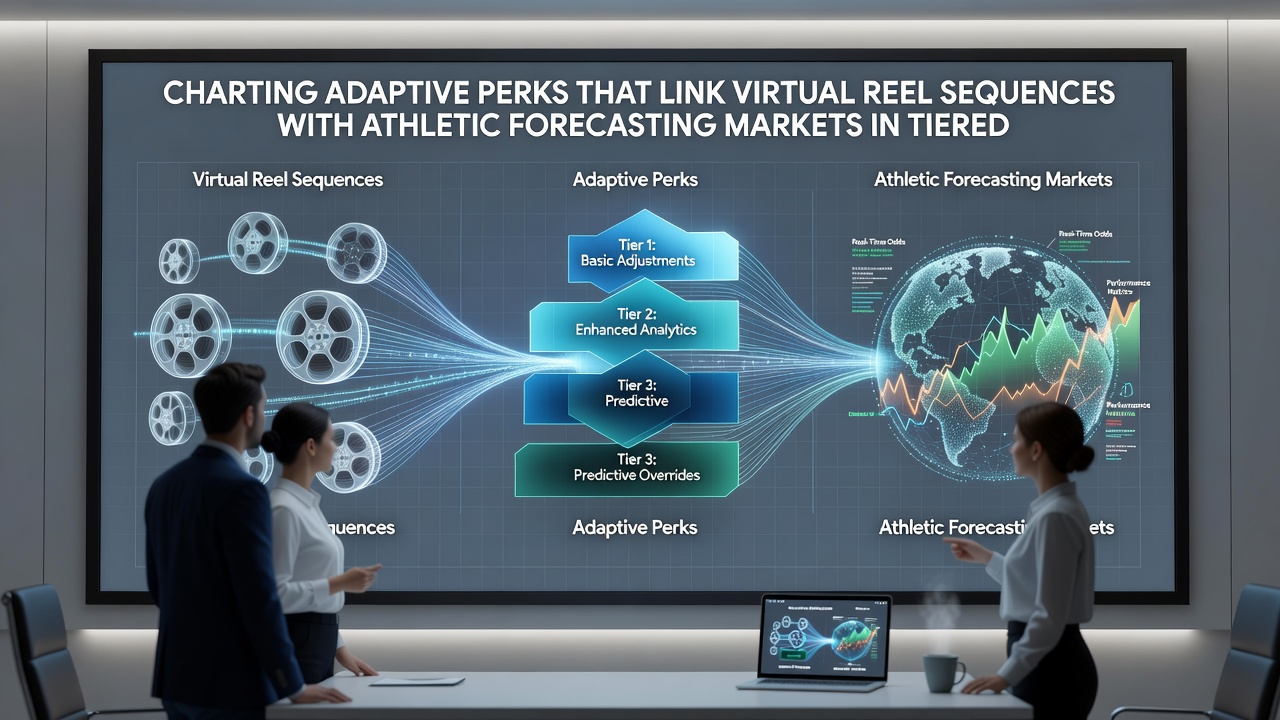
Integration occurs through API connections that maintain separation between gaming categories while sharing loyalty metadata, and this approach satisfies regulatory requirements in regions including Nevada and several Australian states. Those who've examined transaction logs across blended portfolios find that instant settlement of converted perks encourages continued movement between reel play and forecast betting without requiring separate funding steps.
Regulatory and Operational Considerations
Authorities in regulated markets require clear disclosure of how reel-derived perks influence sports market terms, with emphasis on transparency in multiplier calculations. The Nevada Gaming Control Board guidelines updated in early 2026 specify that operators must log all adaptive adjustments for audit purposes, ensuring that perk values remain proportional to the underlying activity. Similar frameworks in Singapore and parts of the European Union focus on preventing unintended concentration of play within single verticals through mandatory diversification prompts.
Operators address these rules by embedding audit trails within the loyalty engine itself, allowing real-time reporting while participants move between reel sequences and athletic forecasts. Data compiled by the International Gaming Institute shows compliance rates above 92 percent among platforms that adopted these linked systems prior to the 2026 regulatory reviews.
Engagement Metrics and Cross-Vertical Flow
Analytics platforms tracking tiered digital clubs document distinct patterns where participants who activate reel-to-sports conversions maintain higher overall retention through seasonal fluctuations. A 2025 report issued by the Canadian Centre for Gaming Research found that loyalty members utilizing adaptive perks completed 23 percent more transactions per month than those restricted to single-category rewards. These flows often follow predictable cycles tied to sporting events, with reel activity peaking ahead of major matches as users accumulate convertible sequences.
Payment rails integrated with these programs support rapid movement of converted funds, reducing friction when shifting from slot winnings to sports stake adjustments. Observers tracking mobile app usage note that push notifications tied to perk availability further direct attention toward the linked markets during active athletic windows.
Conclusion
Adaptive perk structures that connect virtual reel sequences with athletic forecasting markets continue to expand within tiered digital clubs as operators refine data linkages and meet evolving regulatory standards through 2026. Evidence from multiple research bodies confirms measurable impacts on session duration and cross-category participation when these systems operate under established compliance frameworks.